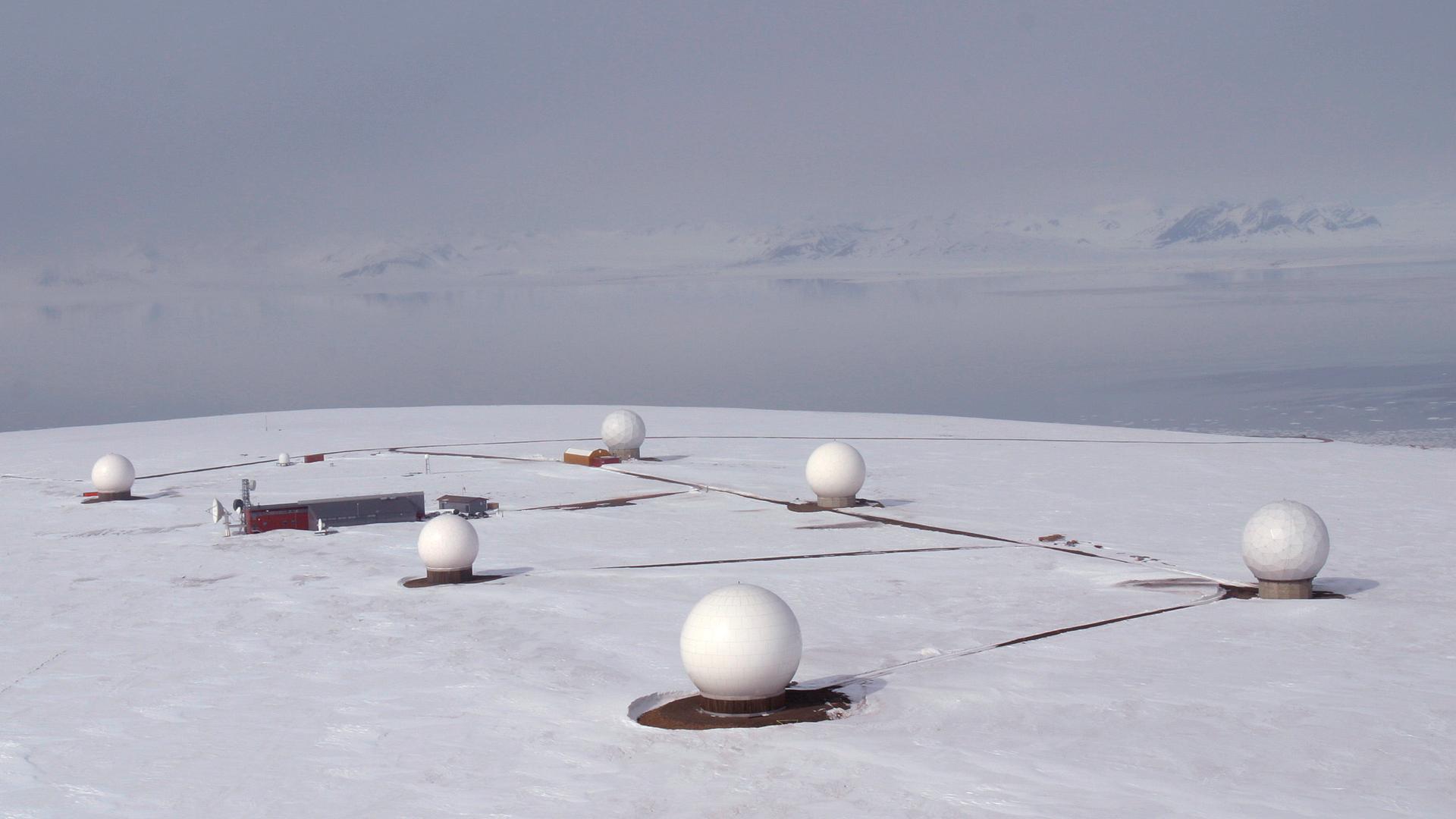
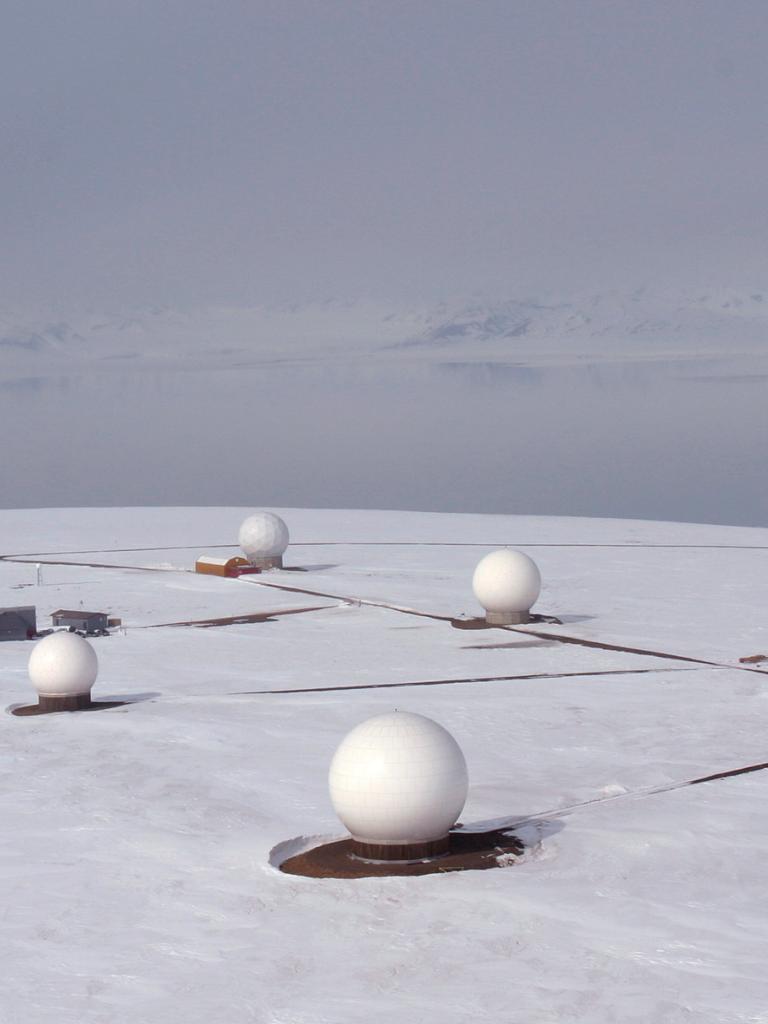
The EPS-SG ground segment can be subdivided into two different components. One part consists of several antennas across Europe including in Svalbard, a Norwegian polar archipelago, and in Antarctica. These antennas receive scientific data from the satellites and both receive signals from and send commands to the satellites to control them and monitor their health. The other part consists of the Mission Control Centre in Darmstadt, where satellite scientific data are processed and distributed to the users such as national weather agencies and ground segment controllers ensure the satellites’ health and continued communication with them.
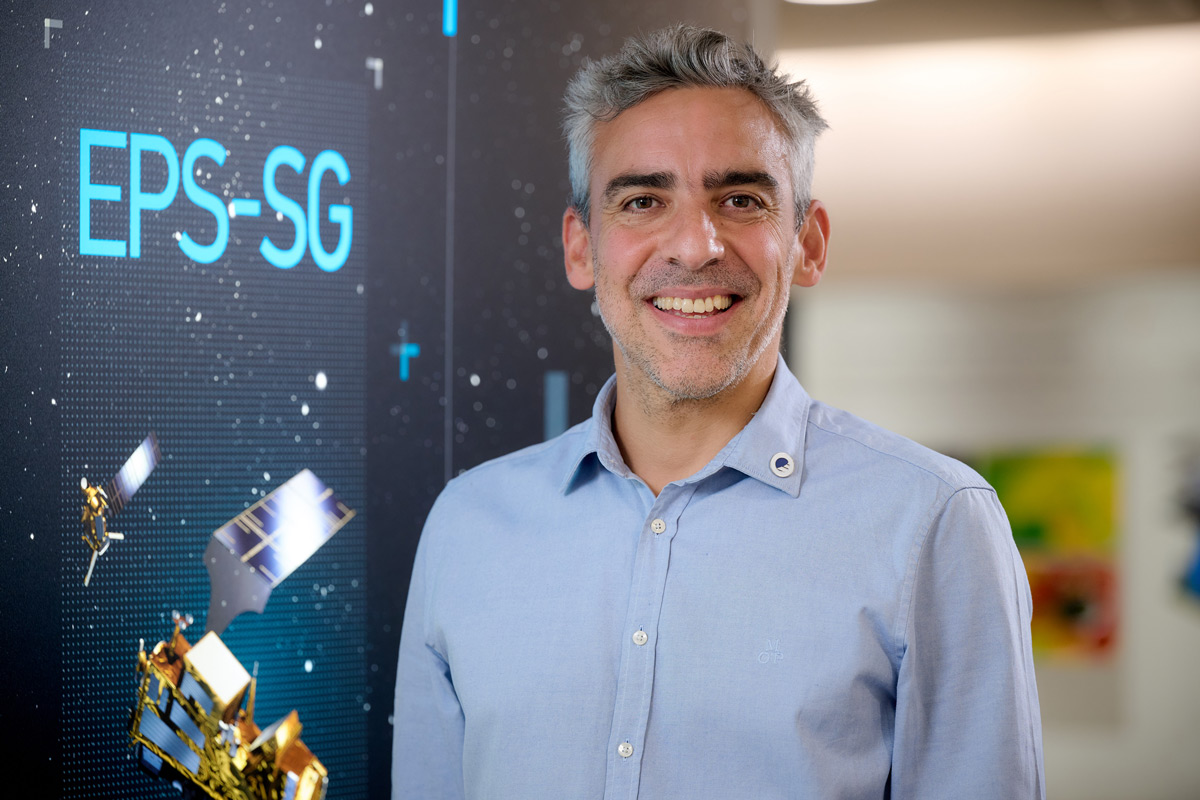
Before the launch of the first EPS-SG satellite, Metop Second Generation A1, on 16 August 2025, Andrés and his team were responsible for ensuring that the technical aspects of the ground segment were ready. Now, he continues to ensure they work smoothly, and coordinates the wide network of ground segment experts and infrastructure. This entails a broad range of tasks, from ensuring security requirements for the ground segment are met to mediating any conflicts that may arise.
“Taking all the elements into account, you sometimes need to make some compromises,” he said. “Part of my job to put the different teams together and agree on a solution that serves everyone.”
Now that the satellite has been launched successfully, and images or data from all instruments have been received, Andrés is feeling very grateful.
“This is one of the most rewarding parts about working in the space sector, to get these types of adrenaline-rush moments during the launch and in the early phases after that,” he said.
“But best of all, of course, is to see that my past work has contributed to something useful.”
Author:
Sarah Puschmann